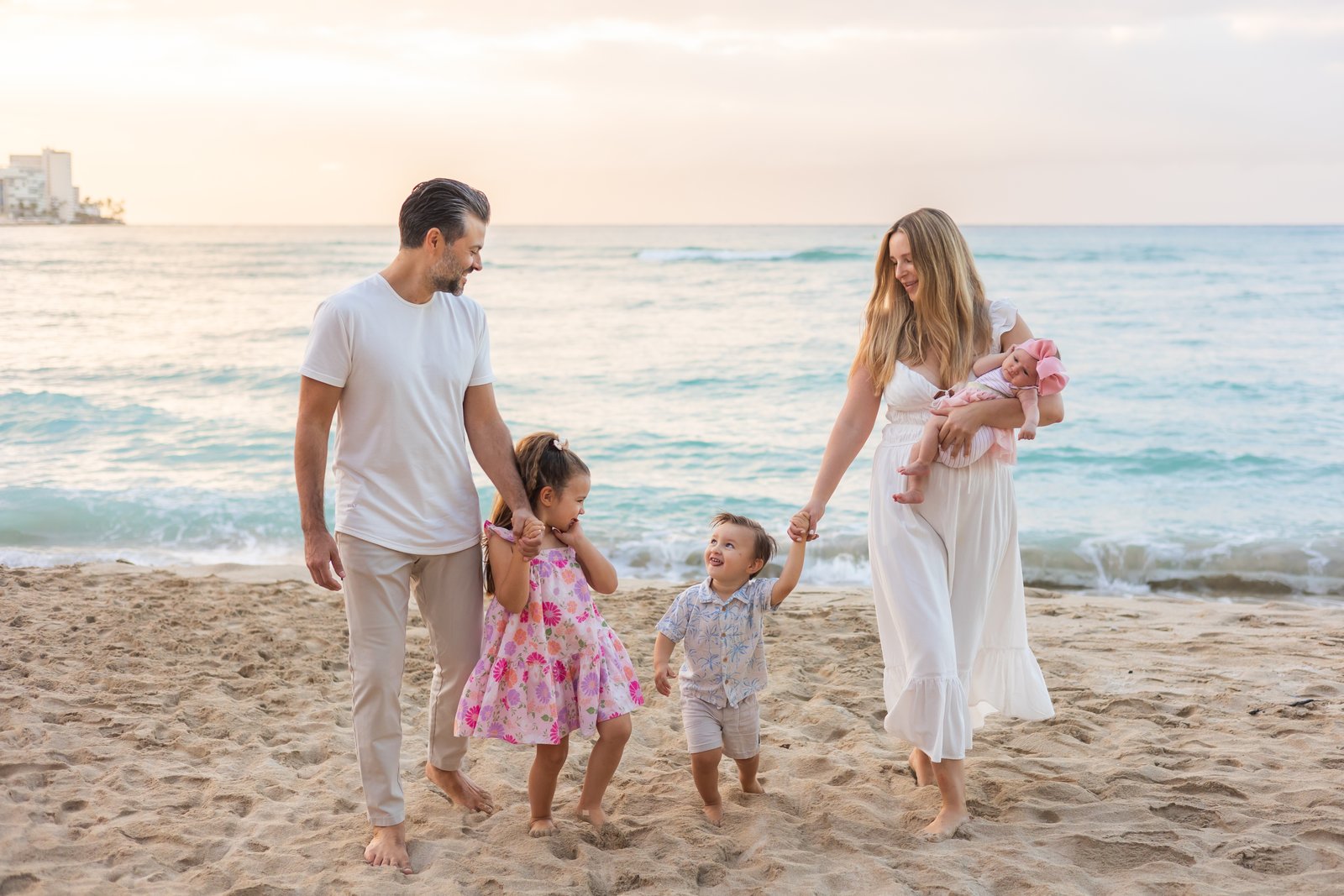
After three kids under four, I have opinions about every category in the baby aisle. This is the starter kit โ what I'd actually buy if I were starting over from scratch, organized by what touches your baby most often, and built around the certifications that actually mean something.
A note from Tasha. I have three kids under four. Between bottles, diapers, lotions, sleep sacks, and high chairs, I've put almost every "non-toxic" baby brand through real-life testing in my own house. I'm the founder of Net Positive, but everything below is independently selected. I'm not a doctor or a pediatrician โ pick a clinician for medical questions.
Babies absorb more, breathe more, and put more in their mouths per pound of body weight than adults do. Their bodies are also less able to detoxify the things they take in. The bar for clean is higher for kids than it is for us.
EWG Verified, MADE SAFE, GOTS, OEKO-TEX, USDA Organic, NSF/ANSI 305. These are independent โ the brand can't self-certify.
"Fragrance" can hide phthalates and dozens of undisclosed compounds. Fragrance-free or essential-oil-only is the rule for skin-contact products.
For anything that touches food, water, or mouths. "BPA-free" alone isn't enough โ BPS is the new replacement, and it's no better.
Hide in stain-resistant fabrics, "performance" coatings, and waterproof gear. Avoid by default for anything kids touch daily.
Banned in many states for kids' products but still legal in some categories (mattresses, car seats, pajamas). Look for explicit "no added flame retardants" labeling.
Glass > stainless steel > food-grade silicone > BPA-free plastic. Organic cotton > conventional cotton > polyester. Natural rubber > PVC.
Real brands publish their factories, their certifications, and their third-party test results. Vague brands hide behind "natural" without specifics.
If it has to be hand-washed in cold water on a full moon, it's not going to make it through three months of sleep deprivation. The cleanest product you'll actually use is the one that wins.
Click any category to expand. Within each, I've listed my top pick, a solid alternative, and what to avoid. If you only buy the top picks, you've covered 80% of what touches your baby every day.
Touches baby's skin 8–12 hours a day. The single highest-stakes category.
Why it wins: EWG Verified โ meaning a third party reviewed every single ingredient. Organic cotton inner layer, no chlorine, no fragrance, no parabens, no phthalates, no latex, no lotion, no VOCs, no optical brighteners. Wipes are 99% water with a tiny amount of organic cleansing agents. Subscription pricing makes it competitive with conventional brands.
Why it qualifies: Total chlorine-free (TCF), made with sustainably sourced wood pulp, no fragrance, dyes, or parabens. The brand publishes their full third-party testing protocol. Premium price, premium product. The First Wash baby wash and Diaper Cream are both excellent.
The take: standard mass-market diapers contain added fragrance, dyes, and lotion that can transfer to skin. Pampers Pure and Honest are improvements over the conventional lines but still don't match HealthyBaby or Coterie on certifications.
Plastic + heat = leached chemicals straight into your baby's formula or breastmilk.
Why it wins: thermal-shock-resistant borosilicate glass from France, medical-grade silicone protective sleeve, no painted markings (painted glass bottles often contain lead in the paint). Tested free of BPA and phthalates. The gold standard.
Why it wins: the only baby bottle brand that is MADE SAFE certified and completely plastic-free โ even the lids and caps. Stainless steel body, silicone nipple, no plastic anywhere on the bottle. Best for travel and toddlers who throw things.
The take: 100% food-grade silicone body, lightweight, easy for babies to grip, and squishy enough to mimic a breast. A great option if glass feels too breakable for your situation. Replace nipples every 2–3 months.
The take: even "BPA-free" plastic bottles can release BPS, phthalates, and microplastic particles when heated. A 2020 study estimated infants drinking from heated plastic bottles consume up to 1.5 million microplastic particles a day. The good news: most of these brands now make glass versions.
Baby skin absorbs more readily than adult skin. Fragrance is the #1 thing to skip.
Why it wins: founded by a nurse and herbalist. Earth Mama Non-Scents Baby Lotion has one of the simplest, cleanest panels in the industry, suitable for the most sensitive newborn skin. Their Organic Diaper Balm is also a household staple.
Why it wins: EWG Verified, Certified B Corp, made in USA, dermatologist-tested, cruelty-free. The Sensitive Baby Shampoo & Wash has zero ingredients of concern per EWG. Excellent for eczema-prone or reactive skin.
The take: USDA Certified 100% Bio-Based, plant-based formulas, no petroleum-derived ingredients, no synthetic fragrance. Used in some hospital NICUs. Calming Shampoo & Bodywash is a longstanding favorite.
The take: mainstream "baby" lines lean heavily on petroleum derivatives, phenoxyethanol, and undisclosed "fragrance." Better than no skincare at all if you're in a pinch โ but the price gap to Earth Mama or Babo is small enough that the swap is easy.
10–14 hours a day of skin contact. Plus mandated flame retardants in some categories.
Why it wins: 100% certified organic cotton, OEKO-TEX certified down to the dye level. Their snug-fit pajamas comply with U.S. flammability rules without any added flame retardants โ the loose-fit ones are required by law to have them, so always go snug-fit for kids' sleepwear.
The take: minority-founded, family-owned, GOTS-certified organic cotton across the line. Slightly more design-forward than Hanna Andersson; similar quality.
The take: GOTS-certified organic cotton and bamboo, TOG-rated for different temperatures so you're not guessing. Dressing baby for sleep without overheating is solved here.
The take: U.S. law requires loose-fit kids' pajamas to either be made of inherently flame-resistant fabric (usually polyester) OR be treated with flame retardants. Snug-fit cotton pajamas are exempt. Always look for "snug-fit" on the label.
Babies sleep 12–16 hours a day on this surface. Off-gassing is real.
Why it wins: the only widely-available crib mattress with GOTS, GOLS (organic latex), AND MADE SAFE certifications. No polyurethane foam, no flame retardants, no PVC waterproofing. The lightweight Classic and the firmer Breathable are both excellent.
The take: GOTS organic cotton, organic latex, organic wool. Heavier than Naturepedic but excellent quality. B Corp and Climate Neutral certified.
The take: the cheapest crib mattresses are polyurethane foam (which off-gasses VOCs), wrapped in PVC vinyl (which off-gasses phthalates), with added chemical flame retardants. Babies sleep on this 12+ hours a day for two years. This is the highest-leverage swap on the list.
Bibs, plates, sippy cups. Where silicone went mainstream.
Why it wins: 100% food-grade silicone, dishwasher and microwave safe, suction base that toddlers can't flip. The Happy Mat is the iconic one. Tested free of BPA, BPS, PVC, phthalates, lead, and cadmium.
The take: bamboo plates with food-grade silicone suction bases. Beautiful, biodegradable, and a nice swap from plastic. Hand-wash for longevity.
The take: melamine is what most colorful kids' plates are made of. It can leach into food when heated, especially acidic foods like tomato sauce. Stick to silicone, bamboo, glass, or stainless steel.
Whatever ends up in your baby's mouth. Which is everything.
Why it wins: 100% natural rubber from Hevea Brasiliensis trees. No paint, no plastic, no PVC. The Kawan duck and Hevea Pacifier are go-to baby gifts in our house. (Note: avoid if there's a latex allergy in the family.)
The take: untreated North American maple, finished only with beeswax and olive oil. No paint, no varnish, no chemical finishes. Beautiful and lasts forever.
The take: PVC contains phthalates that leach especially when chewed. Painted wooden toys from unknown overseas manufacturers have a long history of lead recalls. Stick to natural rubber, untreated wood, or food-grade silicone.
The shortcut version. Save these to your phone for the next baby registry or pediatrician's waiting room.
If you do nothing else from this guide, swap these two: the crib mattress and the bottles. Babies spend 12+ hours a day on the mattress. Bottles are heated daily and held against newborn lips. Both are categories where the cheap option is meaningfully harmful and the clean option is widely available.
Everything else — toys, plates, lotion, pajamas — is incremental. The mattress and bottles are the leverage points.
Real-life advice from someone who's done three registries.
The mattress, the bottles, the diapers. Get those right and you've solved 80% of toxic exposure. The cute outfits and toys can be hand-me-downs or thrift.
Used clothing, books, toys, and gear from family and friends are great — the off-gassing has already happened. Exception: don't take a used crib mattress, expired car seat, or anything with damaged paint.
"Baby" laundry detergent, "baby" lotion, "baby" wipes are often just regular products with marketing markup. Free & Clear adult laundry detergent is fine for baby clothes. Ingredients are what matters, not the cartoon on the bottle.
Use the categories above as your shopping framework. For each category, register the top pick or solid alternative — not the cheapest version. People want to gift you something nice.
Babies live in a chemical exposure environment 10x more sensitive than adults. The good news: a few smart product swaps cover most of the risk. The mattress, the bottles, the diapers, and the skincare are the four categories worth investing in. Everything else, you can ease into over time.
Don't let perfect be the enemy of done. The cleanest baby is the one whose parents are still sleeping enough to function.
Back to the categories